Pikionis, Lewerentz, Venezia and Siza : the narrative experience in eight itineraries
- Author: Yingle Zhang
- Type of research: PhD (Doctoral Thesis)
- Lines of research: New Design Tools, Roles and Pedagogies
- Director: Jesús Ulargui Agurruza
- Defense: 2019 December
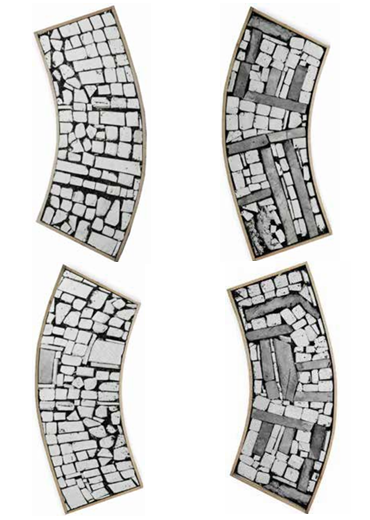
This investigation retraces eight works by four European architects, Dimitris Pikionis, Sigurd Lewerentz, Francesco Venezia and Álvaro Siza, establishing analysis and reflections on the mechanisms that architects have applied to make architecture capable of articulating temporal experience that accompanies the visitor. This experience of time not only includes that acquired during the promenade of the visit, but also expands in each of the selected projects and constitutes temporary narrative that relates the work to its meaning. The research tools vary according to the ideas that the works intend to show. In the accesses to the Acropolis and the Philopappou hill, pavements are able to tell the important articulation between Attica landscape and the history of Hellenic culture. In the routes of the cemeteries in Malmö and Stockholm appear an intermediation between the farewell to the loved ones and the representation of the course of life itself. The memory of topographic transformation produced by telluric power inside the earth is presented in the Salemi theater and the Gibellina museum. In the works of Siza, the School of Architecture of Porto and the Bonaval gardens in Santiago de Compostela, the architect’s own perspective experience is materialized by the fleeting images on the pathways. This is also a book of trips and reflection of European culture, which has a deliberate interest in showing a wide geographical panorama, which includes the Nordic landscape, so well represented by Lewerentz in his cemeteries; the influence of the East presented in the work of Pikionis; the importance of the Mediterranean tradition in the works of Venezia and the Atlantic culture demonstrated in the work of Siza. These eight routes describe the narrative language of these itineraries and their monumental nature, establishing a continuity between history and territory. This investigation shows us how much the temporal narrative and its design has permeated the discourse of modern architectural, presenting some of the most poetic architectural experiences of the postwar period.